
Many women notice a familiar pattern in the winter season:
lower energy, more frequent colds, achy muscles, brain fog, or a dip in mood.
Vitamin D is often part of the conversation, and most women are already taking it.
But here’s what I see consistently in practice:
supplementing vitamin D without testing often doesn’t fix the problem.
Not because vitamin D isn’t important, but because dose, absorption, and balance matter, especially in midlife.
Vitamin D Is a Hormone, Not Just a Vitamin
Vitamin D is often called the “sunshine vitamin,” but physiologically, it functions as a hormone.
That distinction matters.
Vitamin D plays a role in:
-
Immune regulation
-
Bone and muscle strength
-
Mood and cognitive function
-
Gut and brain health
-
Hormonal signaling and inflammation control
In perimenopause and menopause, when hormone signaling is already shifting, vitamin D status becomes even more relevant, and more individualized.
Why You Can Be Supplementing and Still Feel Deficient
One of the most common things I see is women taking vitamin D consistently and still experiencing symptoms like:
-
Fatigue
-
Brain fog
-
Low mood
-
Frequent infections
-
Muscle or joint achiness
The issue is rarely effort or compliance. It’s usually that their blood levels are not in an optimal range, even if they fall within the lab’s “normal” reference interval.
There is a sweet spot for vitamin D. Too little doesn’t support immune or bone health. Too much can create its own problems.
Without testing, there’s no way to know where you actually land.
Symptoms of Low (or Imbalanced) Vitamin D
Vitamin D insufficiency doesn’t always show up clearly or immediately.
Common signs include:
-
Persistent low energy
-
Feeling run down or getting sick often
-
Muscle or bone discomfort
-
Brain fog or mental fatigue
-
Low or flat mood, especially in winter
Because these symptoms overlap with stress, aging, and hormonal changes, vitamin D status is often overlooked, or assumed.
Why Vitamin D Should Be Paired With Vitamin K2
Vitamin D increases calcium absorption, but it doesn’t control where that calcium goes. Vitamin K2 acts as a guide, helping direct calcium into bones and teeth rather than soft tissues or arteries.
This is why vitamin D is best used:
-
With adequate dietary minerals
-
Alongside vitamin K2
-
As part of a broader, whole-body approach to bone and cardiovascular health
Supplementing vitamin D in isolation isn’t ideal, particularly long-term.
Supporting Vitamin D Beyond Supplements
While supplementation is often necessary, especially in northern climates, it’s not the only factor.
Supporting vitamin D status also includes:
-
Sensible sun exposure when available
-
Adequate dietary fat for absorption
-
Overall gut health
-
Reducing chronic inflammation, which can impair hormone signaling
This is especially important in midlife, when nutrient needs and physiology are changing.
The Takeaway
Vitamin D plays a critical role in energy, immunity, mood, and bone health, but more is not always better.
If you’re taking vitamin D and not noticing a difference, the next step isn’t guessing a higher dose.
It’s understanding your levels and tailoring your approach.
Midlife health responds best to precision, not blanket advice.
Ask about Vitamin D testing at your next consult.
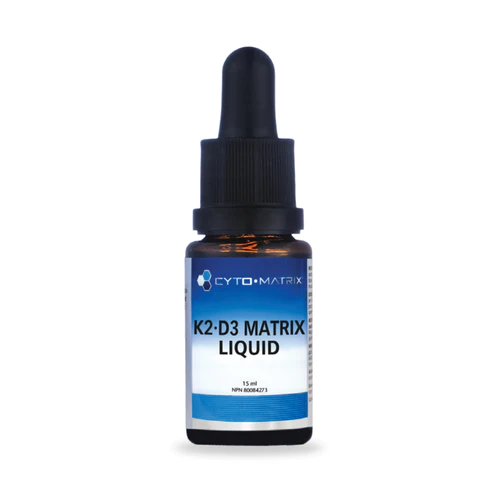
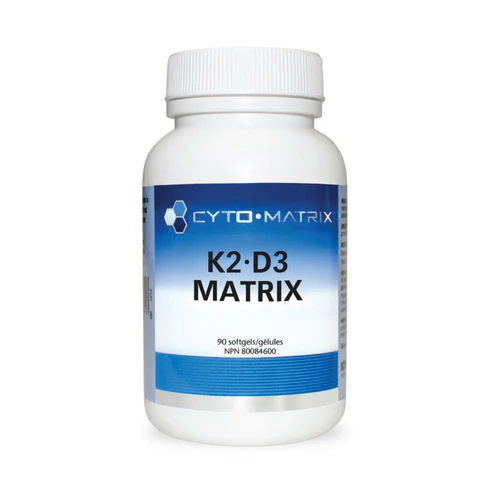
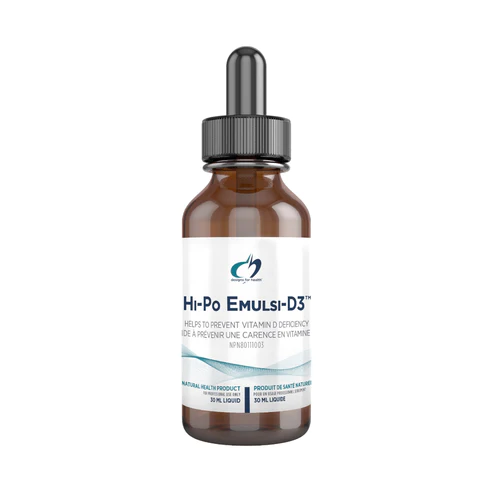
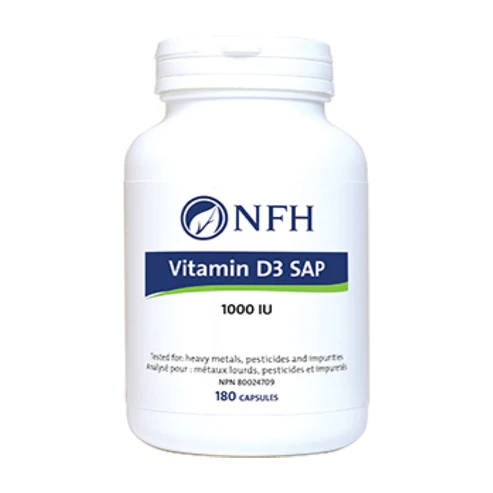
Our Favourite Vitamin D Supports