
Why “Healthy” Foods Can Suddenly Feel Inflammatory in Midlife
One of the more confusing things women experience during perimenopause and menopause is that foods they’ve eaten their whole lives suddenly don’t feel the same. Dairy is a common example.
Most women don’t set out to remove dairy from their diet. Instead, they start noticing subtle but persistent changes: feeling more congested, more inflamed, puffier, stiffer, or foggier, even though digestion might still seem perfectly fine. Because these symptoms aren’t happening in the gut, food often doesn’t feel like the obvious cause.
At the same time, women are being told (correctly) that they need more protein in midlife to support muscle mass, metabolism, mood, and blood sugar. So they follow the advice they see everywhere online: Greek yogurt, cottage cheese, whey-based protein powders, and eggs.
For some women, this works beautifully.
For many others, it doesn’t.
Why Dairy and Eggs Don’t Work for Every Woman in Menopause
There’s a widespread assumption online that dairy and eggs work for everyone, and far fewer resources exist for women who feel worse when they eat them.
What’s often missed is that reactions to dairy and eggs in midlife are frequently systemic, not digestive. Instead of bloating or stomach pain, symptoms tend to show up as:
-
Sinus congestion or a mucousy feeling
-
Puffiness or water retention
-
Joint stiffness or achiness
-
Headaches
-
Brain fog
-
A general sense of inflammation or heaviness
Because digestion seems “normal,” many women never connect these symptoms back to food.
Some women confirm patterns through IgG blood spot testing for food sensitivities, while others begin noticing correlations once they know what to look for.
Casein, Hormones, and Why Dairy Can Suddenly Feel Inflammatory
What’s rarely explained is why foods like yogurt and cottage cheese can become problematic during perimenopause and menopause.
These foods are very high in casein, a dairy protein that digests slowly and is more likely to provoke inflammatory or immune responses, particularly as hormone balance shifts and gut permeability changes in midlife.
Fermentation helps reduce lactose, but it does not remove casein. This is why someone can tolerate dairy for years and then suddenly feel inflamed while still eating foods that are considered “healthy.”
Whey vs. Whole Dairy: Why Tolerance Can Differ
Whey behaves differently than whole dairy. It digests more quickly, and whey isolate removes most of the casein and lactose. This is why some women tolerate whey protein even when yogurt and cottage cheese no longer work for them.
That said, whey is still dairy, and it’s not appropriate for everyone.
The key takeaway here isn’t that dairy is “bad,” but that midlife bodies change, and tolerance is highly individual.
How to Know if Dairy or Eggs Are Affecting You
If you’re unsure whether dairy or eggs are contributing to symptoms, there are two practical ways to gain clarity:
1. IgG Blood Spot Testing for Food Sensitivities
This type of testing can help identify immune-mediated food reactions that don’t show up as digestive symptoms.
✅ Learn more about IgG blood spot testing for food sensitivities and omega-3 status
2. Watching Patterns and Symptoms
Many women notice improvements in congestion, puffiness, joint comfort, or mental clarity when dairy or eggs are temporarily removed, even without formal testing.
Rethinking Protein: “Breakfast Is Just Another Meal”
One of the biggest shifts that helps women meet protein needs without forcing inflammatory foods is letting go of traditional breakfast rules.
“Breakfast is just another meal™” is a framework I’ve used for years because it removes decision fatigue and allows women to nourish themselves in ways that actually feel good.
Protein doesn’t have to come from yogurt, eggs, or cottage cheese.
Instead, many women do better with:
-
Savory breakfasts
-
Leftovers from dinner
-
Soups and stews
-
Slow-cooked meats
-
Properly structured liquid meals using protein powders and collagen
Once protein is reframed as real nourishment, rather than a specific food category, things often get much easier.
Dairy-Free Protein Options That Work Well in Midlife
For women who don’t tolerate dairy or eggs well, high-quality dairy-free protein powders can be an excellent tool — especially when appetite is low or mornings feel rushed.
✅ Shop our favourite dairy-free protein powders
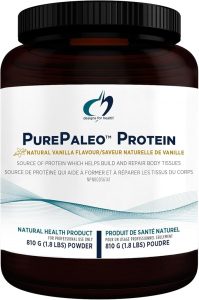
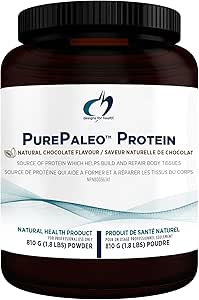
These options make it easier to meet protein needs without triggering inflammation, congestion, or brain fog.
Key Takeaways
-
Women in perimenopause and menopause often need more protein, but not all protein sources work for every body
-
Dairy and egg reactions in midlife are often inflammatory rather than digestive
-
Yogurt and cottage cheese are high in casein, which can become more reactive as hormones and gut function shift
-
Whey may be better tolerated for some women, but it’s still dairy and not universal
-
Protein doesn’t need to come from traditional breakfast foods. Breakfast is just another meal.
If foods that once worked for you suddenly don’t, it’s not a failure or a lack of discipline. It’s your body asking for a different approach.